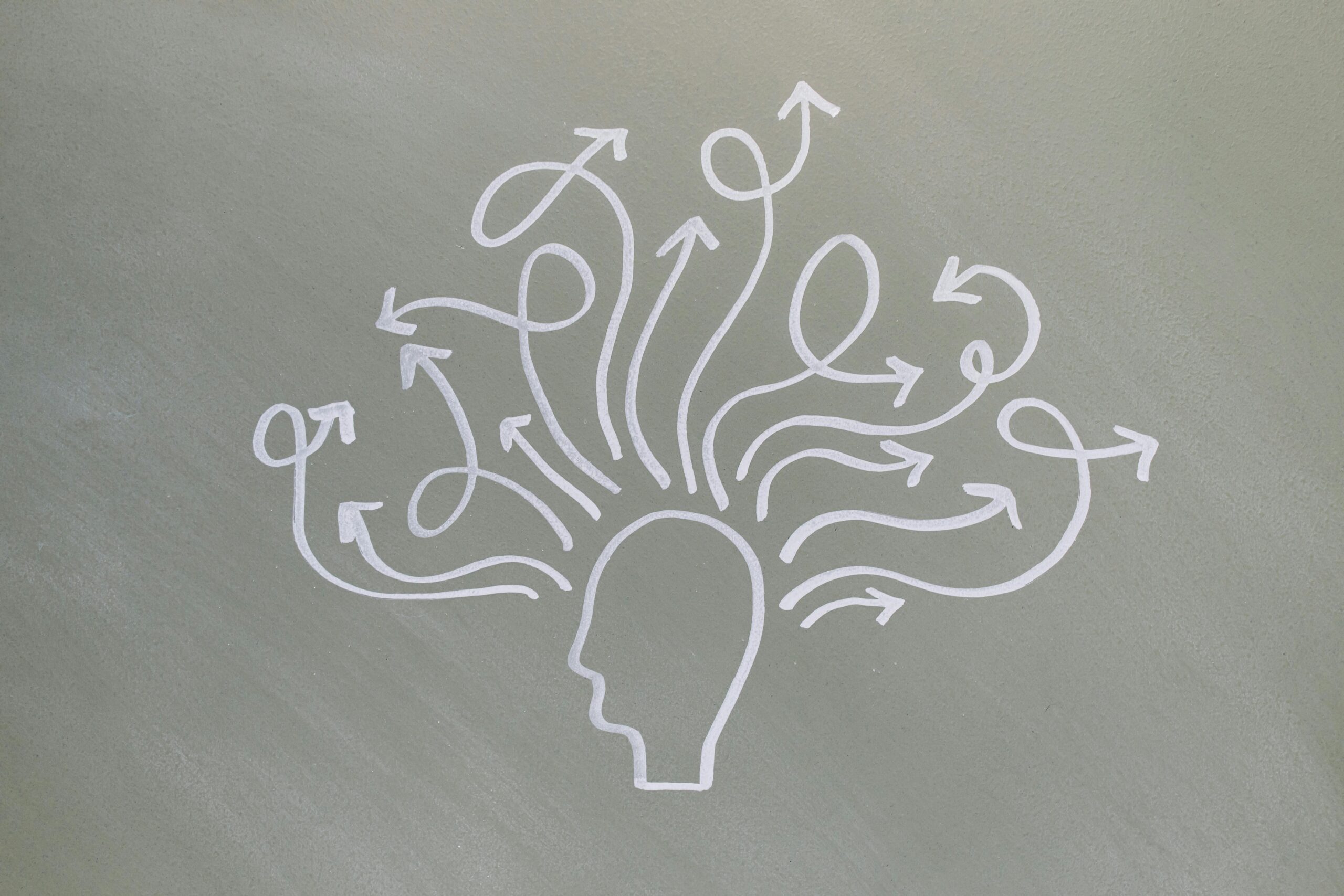
Every day, we make thousands of decisions—some trivial, others life-changing. Yet hidden mental shortcuts constantly steer us toward predictable errors and suboptimal outcomes.

Our brains are remarkably efficient organs, but this efficiency comes at a cost. To process the overwhelming amount of information we encounter daily, our minds rely on cognitive shortcuts called heuristics. While these mental frameworks help us navigate complexity quickly, they also introduce systematic patterns of deviation from rationality—what psychologists call cognitive biases.
The good news? Understanding and actively assessing these biases can revolutionize how we approach decision-making in both personal and professional contexts. Cognitive bias impact assessment has emerged as a powerful methodology for identifying, measuring, and mitigating the effects of these mental blind spots, leading to dramatically improved outcomes across industries.
🧠 The Hidden Architecture of Our Thinking
Cognitive biases aren’t character flaws or signs of low intelligence. Rather, they’re features of human cognition that evolved to help our ancestors make rapid decisions with limited information. In today’s complex world, however, these same shortcuts often lead us astray.
Research has identified over 180 distinct cognitive biases, each affecting different aspects of judgment and decision-making. Some of the most impactful include confirmation bias, where we seek information that supports existing beliefs; anchoring bias, which causes us to rely too heavily on the first piece of information received; and availability heuristic, leading us to overestimate the likelihood of events that come easily to mind.
The challenge isn’t simply knowing these biases exist—it’s recognizing when they’re actively influencing our decisions and implementing systematic approaches to counteract them. This is precisely where cognitive bias impact assessment becomes transformative.
What Makes Cognitive Bias Impact Assessment Revolutionary
Cognitive bias impact assessment represents a structured methodology for examining decision-making processes through the lens of psychological science. Unlike traditional decision frameworks that assume rational actors, this approach acknowledges the predictable irrationality wired into human cognition.
The assessment typically involves several key components: identification of relevant biases in specific contexts, measurement of their potential impact on outcomes, development of debiasing interventions, and ongoing monitoring to ensure sustained improvement. Organizations implementing these assessments report significant improvements in strategic planning, resource allocation, hiring practices, and innovation initiatives.
What distinguishes this approach from simple awareness training is its systematic nature. Rather than hoping people will spontaneously recognize their biases in the moment, cognitive bias impact assessment builds checks and balances directly into decision-making processes, creating what behavioral economists call “choice architecture” that nudges decision-makers toward better outcomes.
The Assessment Framework in Action
Implementing cognitive bias impact assessment follows a deliberate sequence. First, organizations identify high-stakes decision points where biases are likely to have significant consequences. These might include investment decisions, strategic pivots, talent evaluation, or product development choices.
Next comes the mapping phase, where specific biases relevant to each decision type are identified. For hiring decisions, for instance, the halo effect (allowing one positive trait to influence overall evaluation), similarity bias (preferring candidates similar to ourselves), and confirmation bias are particularly problematic.
The measurement component quantifies potential impact through various methods: analyzing historical decisions for bias patterns, conducting controlled experiments, or using structured scenarios to reveal unconscious assumptions. This data-driven approach transforms abstract concepts into concrete metrics that resonate with decision-makers.
💼 Transforming Business Decisions Through Bias Awareness
The business world provides compelling examples of how cognitive bias assessment drives tangible results. Investment firms using structured approaches to counteract overconfidence bias and herding behavior have demonstrated superior portfolio performance compared to those relying on intuition alone.
Technology companies applying bias assessment to product development avoid the curse of knowledge—the difficulty experts face in imagining what it’s like not to know something. By systematically seeking input from users unfamiliar with their products and implementing blind testing protocols, they create more intuitive, accessible solutions.
Hiring represents another domain where bias impact assessment has proven transformative. Organizations implementing structured interviews, work sample tests, and blind resume reviews consistently make better hiring decisions than those relying on unstructured conversations and gut feelings. The data is unambiguous: process beats intuition when bias is systematically addressed.
Strategic Planning Without the Rose-Colored Glasses
Strategic planning sessions often fall victim to multiple biases simultaneously. Optimism bias leads teams to underestimate timelines and costs, groupthink suppresses dissenting viewpoints, and the planning fallacy causes systematic underestimation of how long projects will take.
Organizations conducting cognitive bias impact assessments on their strategic planning processes implement specific countermeasures: pre-mortem exercises where teams imagine a project has failed and work backward to identify causes, devil’s advocate roles formally assigned to question assumptions, and reference class forecasting that grounds predictions in historical data from similar projects.
These interventions aren’t about dampening enthusiasm or creating paralysis through analysis. Rather, they inject realism into planning processes, resulting in more achievable goals, better resource allocation, and ultimately higher success rates.
🎯 Personal Decision-Making: Your Individual Cognitive Upgrade
While organizational applications are powerful, cognitive bias impact assessment offers equally valuable benefits for personal decision-making. Major life choices—career transitions, financial investments, relationship decisions, health behaviors—all suffer when biases remain unexamined.
The sunk cost fallacy keeps people in unfulfilling careers or relationships because of past investments. Status quo bias prevents necessary changes even when circumstances have shifted dramatically. Recency bias causes overreaction to recent events while ignoring broader patterns.
Individuals can implement personal bias assessment through structured reflection practices. Before major decisions, consider creating a decision journal that documents your reasoning, predicted outcomes, and the factors influencing your choice. Months or years later, reviewing these entries reveals patterns in your thinking and highlights biases that consistently affect your judgment.
Building Your Personal Debiasing Toolkit
Effective personal cognitive bias assessment requires specific tools and practices. Here are evidence-based approaches that consistently improve decision quality:
- Decision delays: For non-urgent choices, implement a mandatory waiting period. This simple intervention reduces the impact of emotional arousal and allows more deliberate processing.
- Perspective-taking: Actively imagine how someone you respect would approach the decision, or what advice you’d give a friend in similar circumstances. This distance reduces ego involvement and increases objectivity.
- Base rate consideration: Before making predictions, research what typically happens in similar situations. Most people ignore statistical base rates in favor of specific details—consciously reversing this tendency improves accuracy.
- Pre-commitment devices: Make advance decisions about criteria you’ll use for future choices, removing in-the-moment bias from the equation.
- External accountability: Share important decisions with a trusted advisor who knows your typical blind spots and has permission to challenge your reasoning.
The Neuroscience Behind Bias Recognition and Correction
Understanding why cognitive bias impact assessment works requires examining the brain’s decision-making architecture. Neuroscience research reveals two distinct systems: System 1, which operates automatically and rapidly with little conscious effort, and System 2, which allocates attention to deliberate mental activities requiring concentration and effort.
Most cognitive biases originate in System 1 processing. These quick judgments are efficient but prone to systematic errors. System 2 has the capacity for more accurate analysis but is slower, requires more energy, and is frequently lazy—defaulting to System 1’s conclusions unless specifically engaged.
Cognitive bias impact assessment works by creating triggers that activate System 2 review of System 1’s initial responses. Structured decision protocols, checklists, and mandatory review steps essentially force the analytical brain to scrutinize intuitive judgments before committing to action.
Creating Environmental Supports for Better Thinking
Beyond individual effort, environmental design profoundly influences decision quality. Organizations and individuals can structure contexts that naturally reduce bias impact without requiring constant vigilance.
Physical environment matters: research shows that even minor changes like room temperature, lighting, or noise levels affect judgment quality. Decision fatigue—the deteriorating quality of decisions made after long sessions—can be mitigated through strategic timing, scheduling critical choices when mental energy is highest.
Information architecture also plays a crucial role. How options are presented, what’s made visible versus hidden, and the order of information all trigger specific biases. Cognitive bias assessment includes examining these structural elements, not just individual psychology.
📊 Measuring Success: Metrics That Matter
Effective cognitive bias impact assessment requires appropriate metrics to evaluate progress. Unlike some organizational initiatives where outcomes are ambiguous, decision quality can be measured with considerable precision through various approaches.
Process metrics track whether debiasing interventions are actually implemented: Are structured interviews consistently used? Are pre-mortem exercises conducted before major projects? Do decision journals get completed? These indicators ensure the system is functioning as designed.
Outcome metrics compare decision results before and after implementing bias assessment protocols. For quantifiable decisions like hiring, investment choices, or project estimates, comparison data reveals whether interventions improve accuracy. Time-to-success, return-on-investment, and error rates provide concrete evidence of impact.
Calibration metrics assess whether confidence levels match actual accuracy. Well-calibrated decision-makers are right 70% of the time when they express 70% confidence, and 90% accurate when expressing 90% certainty. Most people are poorly calibrated initially but improve dramatically with feedback and practice.
🚀 Implementation Strategies for Lasting Change
Knowledge alone doesn’t change behavior—a frustrating reality for anyone who’s learned about biases yet continued falling victim to them. Successful cognitive bias impact assessment implementation requires strategies that bridge the knowing-doing gap.
Start with high-leverage decision points rather than attempting comprehensive transformation immediately. Identify the 3-5 decision types with the greatest impact on outcomes, then design specific interventions for those contexts. Success in these areas builds momentum and demonstrates value, facilitating broader adoption.
Make debiasing steps mandatory rather than optional. When structured approaches are presented as suggestions, they’re rarely used, particularly under time pressure. Building them into standard operating procedures ensures consistent application regardless of individual motivation or awareness in the moment.
Create social accountability and shared language around bias recognition. When teams develop common understanding of cognitive biases and permission to call them out constructively, decision-making culture shifts dramatically. The goal isn’t to embarrass or criticize but to collectively recognize shared human limitations.
Technology as an Enabler of Better Decisions
Digital tools increasingly support cognitive bias impact assessment efforts. Decision support software can prompt consideration of alternatives, require documentation of reasoning, or present information in formats that reduce specific biases. Artificial intelligence systems, properly designed, can flag when human judgments deviate from historical patterns in ways suggesting bias.
However, technology introduces its own complications. Algorithmic decision-making can encode and amplify existing biases if trained on biased historical data. Over-reliance on automated systems may atrophy human judgment capabilities. The most effective approaches combine technological support with maintained human expertise and accountability.
🌟 The Continuous Evolution of Decision Excellence
Cognitive bias impact assessment isn’t a one-time intervention but an ongoing practice of decision-making refinement. As we master common biases, we discover more subtle ones. As contexts change, new bias patterns emerge requiring updated approaches.
The most sophisticated practitioners develop what might be called “meta-cognitive awareness”—the ability to observe their own thinking processes in real-time and recognize when biases might be operating. This skill develops gradually through deliberate practice, feedback, and reflection.
Organizations leading in this space create learning systems where decision outcomes are systematically reviewed, biases are identified post-hoc, and insights are fed back into revised decision protocols. This iterative improvement cycle compounds over time, creating substantial competitive advantages.
Beyond Individual Decisions: Cultural Transformation
The ultimate impact of cognitive bias assessment extends beyond improving discrete decisions to transforming organizational and personal cultures. When bias recognition becomes normalized rather than threatening, when intellectual humility is valued over confident certainty, and when process discipline is respected rather than resented, something profound shifts.
This cultural transformation creates psychological safety—the sense that it’s acceptable to acknowledge uncertainty, voice concerns, and challenge prevailing assumptions. Research consistently shows that psychologically safe teams make better decisions, innovate more effectively, and achieve superior performance.
At the personal level, embracing cognitive bias assessment often catalyzes broader self-awareness and growth. Recognizing our systematic thinking errors builds intellectual humility while paradoxically increasing actual competence. This combination—knowing we’re prone to errors while actively working to reduce them—represents mature, effective decision-making.
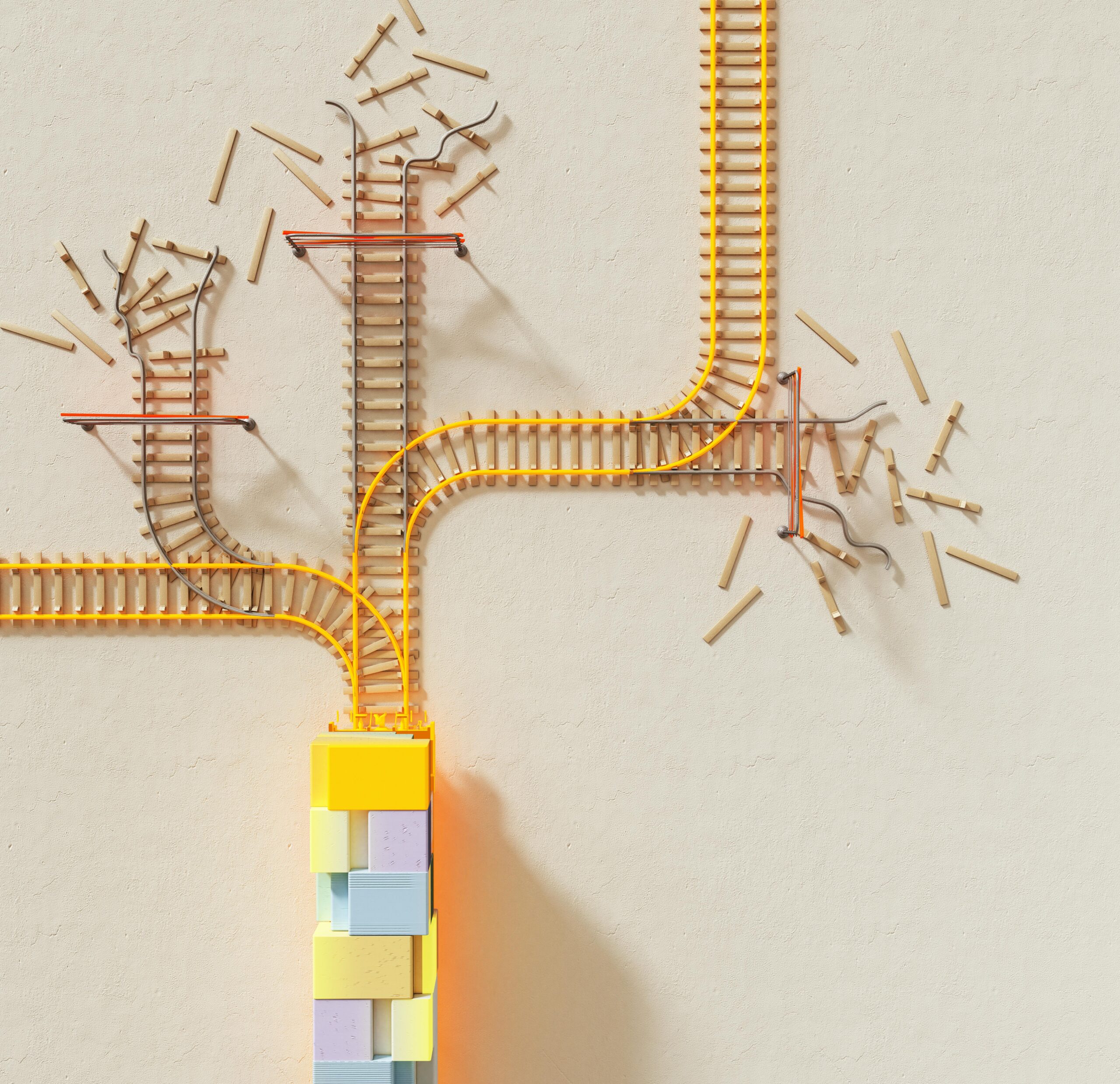
The Clarity Advantage: Competing Through Superior Decisions
In increasingly complex, fast-moving environments, decision quality becomes the ultimate competitive differentiator. Organizations and individuals who systematically improve their judgment through cognitive bias impact assessment gain compounding advantages over those relying on intuition alone.
The clarity that comes from recognizing and mitigating biases isn’t about eliminating intuition or becoming purely analytical. Rather, it’s about knowing when to trust gut feelings and when to demand rigorous analysis, recognizing which contexts trigger which biases, and building systems that consistently guide us toward better choices.
This clarity extends beyond immediate outcomes to meta-level benefits: reduced decision anxiety from having structured processes to rely on, increased confidence grounded in actual competence rather than unfounded certainty, and the satisfaction of continuous improvement in one of life’s most consequential skills.
The science is clear: cognitive bias impact assessment transforms decision-making, creating measurably better outcomes across virtually every domain. The opportunity exists for any organization or individual willing to examine their thinking with honesty, implement structured debiasing approaches, and commit to ongoing refinement. In a world where good decisions increasingly separate winners from losers, this might be the most valuable investment you can make. 🎯